
Share the property details
Send the location, equipment, symptoms or planned changes, and who can approve the work. Existing labels and service records help define the request.
Plan a standby-power installation around the loads you want to supply, their starting requirements, and the property electrical and fuel arrangements.
How will the proposed heating equipment change the backup-power design?
If a renovation also changes heating equipment, review the generator load plan with the proposed equipment models. A heat pump, electric backup heat, and pumps can have different electrical requirements from the former system. Decide which functions are essential and ask the electrical contractor to confirm the complete design before ordering a generator. Request the electrical requirements for both normal heat-pump operation and any supplementary heating that could call during an outage. Ask which heating functions the standby design can support, whether controls need a particular supply arrangement, and how the project handles a later equipment change.
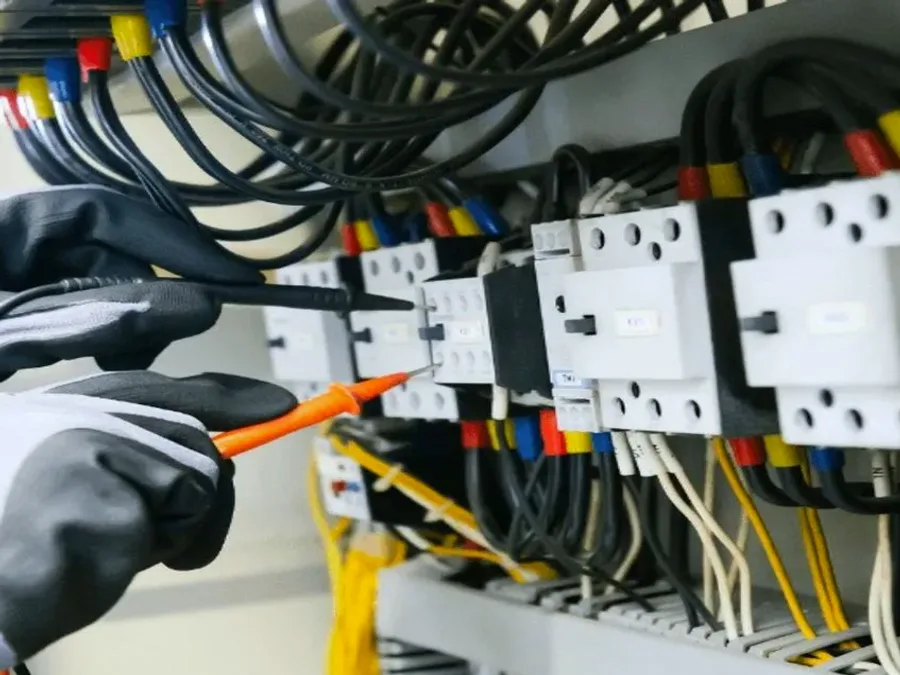
Describe the work first, then confirm the people, timing, and terms before making a commitment.
Send the location, equipment, symptoms or planned changes, and who can approve the work. Existing labels and service records help define the request.
The enquiry team reviews the request and shares it with a relevant service provider for follow-up using your contact details. Confirm contractor coverage, qualifications and how the property will be assessed before agreeing to an appointment.
Ask which findings support the work, what is included or excluded, and how completion will be checked. Agree on pricing and terms with the contractor.
A generator must never backfeed a home through an ordinary receptacle. Portable combustion generators belong outdoors, away from building openings; they are not an indoor heating or power solution.
If a London, St. Thomas or Strathroy property is changing its heating equipment, give the generator designer the proposed appliance models and electrical requirements. Insulation improvements and a heating conversion can change the load plan in different ways. Review the finished equipment arrangement before deciding whether the present standby system should be retained or altered.
A heat pump and its supplementary electric heating can have different power requirements. Ask which heating functions the standby design actually supports and what happens when supplementary heat is requested. Treat the backup-heating sequence as part of the electrical design rather than assuming the outdoor heat-pump rating describes every heating load.
The nameplate alone does not identify the connected circuits, appliance starting requirements or intended operating combinations. Compare the retained generator, transfer equipment and load management with the proposed heating specifications. Ask the electrical contractor to state the assumptions behind any recommendation to retain or replace equipment.
Give both bidders the same finished heating and cooling specifications and essential-load priorities. Compare the supported heating functions, transfer scope, control interfaces and exclusions. A proposal that supports only selected circuits should be assessed against its stated role rather than an undefined promise of powering the renovated home.
Ask the contractors to document which heating models and operating modes the first phase assumes. Arrange a review if the later appliance selection differs or adds supplementary loads. Keep the final load record with both projects so a staged renovation does not leave the standby settings based on retired equipment.
Share the property location and the work you need so the request can be reviewed.
The configured service area includes these communities. Include your property location so coverage and appointment availability can be confirmed.